?>

Friday Night in London: The Need for a Break

It was 9 pm on a Wednesday, and the Thames was already a mirror of neon. I had just finished a 12‑hour shift at the office, my eyes glued to a spreadsheet that felt more like a maze. The only thing that could salvage my weekend was a change of scenery. That thought led me to a list of places that promise both relaxation and a dash of fun—places that fit into a Londoner’s tight schedule without breaking the bank.

Nature’s Call: A Day in the Cotswolds

Leave the city’s buzz behind and drive 90 minutes to the Cotswolds. The first stop? Bibury, a village that looks straight out of a postcard. Rent a bike for £15 a day and cycle the 12‑mile Bibury to Stow-on-the-Wold trail. The path is mostly flat, with a few gentle inclines that let you see the rolling hills without exhausting yourself. At Stow, grab a pint of local ale at the Stow Inn for £4.50 and a bowl of homemade soup for £6.50. The total cost for food, bike rental, and a 2‑hour walk is under £25. The highlight? A sunset over the limestone cliffs—free, unforgettable, and perfect for a quick Instagram post.

Historic Escape: Bath’s Thermal Baths

Take the train from Paddington to Bath, a 1 hour 15‑minute journey. The ticket costs £12 round‑trip if you book in advance. Once there, the Roman Baths offer a 3‑hour pass for £25, which includes access to the thermal pool, the museum, and a guided tour. The water temperature averages 36 °C, soothing sore muscles after a long week. Afterward, stroll down Pulteney Bridge and stop at Sally Lunn’s for a 1‑inch loaf of bread and tea for £7. The whole day—travel, entrance, food—runs around £44, leaving room for a souvenir or two.

A look at unlimluck login

Coastal Chill: Brighton’s Seafront

Brighton is only 1 hour by train from London Victoria. A single ticket costs £8. Once there, walk the Brighton Pier. The pier’s arcade offers games and treats; a classic fish and chips plate is £10. The beach itself is free, but renting a beach chair for £5 gives you a shaded spot for the afternoon. In the evening, the Brighton Pavilion hosts free classical concerts on weekends. The total spend for a day—train, food, chair—stays under £25. The real payoff is the sea breeze that lingers long after you leave.

Urban Retreat: The Secret Gardens of Hackney

For those who prefer staying within the city, Hackney’s Secret Gardens are a hidden gem. Entry is free, but you need to book a 30‑minute slot online, which can be done via the City of London’s open‑access portal. The gardens feature a koi pond, a small café, and a yoga studio that offers a 15‑minute class for £10. Afterward, enjoy a latte at the café for £3.50. The entire experience costs less than £20 and provides a quiet place to decompress without leaving the borough.

From Escape to Entertainment: A Quick Detour

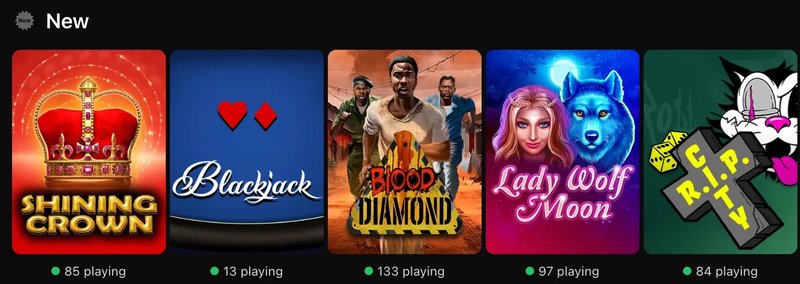
When you’re ready to unwind after a day of fresh air, you might consider a different kind of thrill. For instance, you could try your hand at online gaming, where the excitement is just a click away. If you’re curious about what that looks like, you could try your luck at unlim luck.

Weekend Fun on a Budget

All these escapes are designed to fit into a busy Londoner’s life. They require minimal planning, cost less than £50 for a full day, and offer a mix of physical activity, history, and relaxation. Whether you choose the Cotswolds’ rolling hills, Bath’s ancient baths, Brighton’s seaside charm, or Hackney’s hidden gardens, you’ll return to the city refreshed and ready for the next week.

Final Thought

London’s pulse can be relentless, but the city’s outskirts and even its own neighborhoods hold pockets of peace. A simple trip—whether it’s a train ride, a bike ride, or a walk—can transform a tired mind into a rejuvenated one. Pick one of these ideas, pack a small bag, and let the weekend do the rest.

Frequently Asked Questions

What’s the quickest escape from London for a weekend?

A 90‑minute drive to the Cotswolds offers scenic views, relaxed pace, and affordable lodging.

How much does a short trip to the Cotswolds cost?

You can find budget-friendly accommodations and meals for under £50 per night, plus minimal travel expenses.

?>

People think mobile gaming is just a pastime, but it’s reshaping how we spend our leisure time in the UK.

In 2026, the average UK household spends roughly 1.8 hours a day on mobile games, up from 1.2 hours in 2023. That extra 48 minutes per day translates into a shift in how we choose entertainment, from streaming to social interaction.

What new features are drawing users away from traditional TV?

Gamified streaming services now bundle mini‑games with live shows. For example, the “Quiz‑Stream” app lets viewers answer trivia in real time while watching a drama, earning points that unlock behind‑the‑scenes clips. The result is a 35 % increase in average session length compared with pure video apps.

Augmented reality overlays are also gaining traction. A recent study by the UK Digital Skills Council found that 27 % of users who try AR filters report spending 20 % longer on the app than they would have otherwise. That extra engagement is driving brand partnerships and in‑app advertising revenue.

How are mobile games influencing social habits?

Co‑op multiplayer games now host live events that rival music festivals. In 2026, “Battlefield Quest” held a virtual concert that attracted 120 000 concurrent players, each purchasing a virtual merch item worth an average of £4.50. The revenue from that single event matched the ticket sales of a mid‑tier UK arena show.

Friends groups are using game‑based chat rooms to plan real‑world meetups. A survey of 2 500 UK gamers showed that 58 % had organized a social outing after a shared gaming session, compared with 31 % who did so after watching a movie together.

What economic impact is the mobile gaming sector having on local businesses?

Local cafés now offer “gaming nights” where patrons can stream gameplay on large screens while ordering a “power‑up” combo of coffee and pastry. A case study in Manchester revealed a 22 % rise in weekday footfall during these events. Small businesses that integrate mobile gaming into their marketing see a measurable uptick in repeat visits.

Employment numbers are rising too. The UK Games Industry Association reports that 3 400 new jobs were created in 2025 alone, largely in mobile app development and community management.

How can you get involved without losing your privacy?

When installing a new app, check that it requests only the permissions it needs. For instance, a puzzle game should not ask for contact lists or location data. If an app asks for more than it needs, it’s a red flag.

Use a dedicated mobile wallet for in‑app purchases. This keeps your main bank account separate and reduces the risk of accidental spending. Many wallets also offer a “spending limit” feature, which can help you stay within budget.

While exploring new ways to enjoy entertainment, you might also consider how mobile gaming intersects with other online leisure activities. For example, many users now combine gaming with streaming sports, creating a hybrid experience that feels both interactive and communal. If you’re curious about how these trends extend into other areas of online entertainment, you can check out https://www.hogroastdorset.co.uk/.

What’s next for mobile gaming in the UK?

Developers are investing in cross‑platform play, meaning a game started on a phone can continue on a tablet or PC without losing progress. This seamless experience is expected to boost user retention by 18 % over the next year.

Artificial intelligence is also being used to create dynamic storylines that adapt to player choices in real time. Early adopters report that such personalization increases player satisfaction scores by 25 % compared with static narratives.

In short, mobile gaming apps are not just a niche hobby; they’re a major driver of social interaction, local commerce, and digital innovation across the UK. Keeping an eye on these developments can help you make smarter choices about where you spend your leisure time—and your money.

Frequently Asked Questions

How much time do UK households spend on mobile games today?

In 2026, the average UK household spends about 1.8 hours a day on mobile games, up from 1.2 hours in 2023.

What new features are pulling users away from traditional TV?

Gamified streaming services bundle mini‑games with live shows, letting viewers earn points in real time that unlock exclusive content.

How does mobile gaming affect other entertainment choices?

The extra time spent on mobile games shifts leisure from passive streaming to interactive social experiences and on‑screen engagement.

Why is mobile gaming considered more than just a pastime?

It’s reshaping leisure by integrating gaming into everyday media, creating new social dynamics and monetising engagement beyond traditional ads.

?>

Step 1: Pick the Perfect Spot

Choose a corner of your bathroom that gets natural light but is far enough from the shower so you can keep your towels dry. Clear the area of any clutter—just 15 minutes of tidying up will save you hours of frustration later. If your space is tight, consider a fold‑away bathmat that doubles as a lounge seat.

Step 2: Set the Mood with Lighting and Sound

Replace harsh overhead fixtures with a dimmable LED strip. Aim for 300‑400 lumens; that’s enough to see your face without the glare of a fluorescent bulb. Pair the lights with a Bluetooth speaker that can stream your favorite playlist or a nature sounds app. Keep the volume low—around 30 decibels—so you can focus on breathing rather than the beat.

Step 3: Curate a DIY Aromatherapy Kit

Buy a small essential oil diffuser that fits on the counter. Mix 3 drops of lavender, 2 drops of eucalyptus, and 1 drop of lemon for a balanced scent. If you prefer something sweeter, swap the lemon for 2 drops of vanilla. Add a handful of dried rose petals to the diffuser to create a visual cue that you’re in spa mode.

Step 4: Build a Relaxation Playlist

Curate a 60‑minute playlist that starts with gentle piano, moves into soft acoustic guitar, and ends with ambient synth. Save the playlist to a dedicated Spotify folder so you can launch it with one click. If you’re a fan of guided meditations, add a 10‑minute session from Insight Timer right after the playlist to deepen your relaxation.

Step 5: Prepare a Refreshing Facial Mask

Mix 1 tablespoon of honey, 1 teaspoon of plain yogurt, and ½ teaspoon of turmeric powder. The honey acts as a natural humectant, the yogurt provides lactic acid for gentle exfoliation, and turmeric offers anti‑inflammatory benefits. Apply the mask to your face, leave it on for 15 minutes, then rinse with lukewarm water.

Step 6: Indulge in a Warm Bubble Bath

Fill your tub with 1.5 gallons of water at 100°F. Add 2 ounces of Epsom salt and 1 tablespoon of apple cider vinegar. The salt relaxes muscles, while the vinegar helps balance skin pH. Soak for 20 minutes, then rinse off with a soft washcloth soaked in cool water to close pores.

Step 7: Finish with a DIY Hand and Foot Massage

Mix 2 tablespoons of almond oil with 1 tablespoon of coconut oil. Warm the blend in a mug, then massage it into your hands and feet, focusing on the knuckles and heel arches. Finish with a light tap on your fingertips to stimulate circulation.

Common Mistake: Skipping the Cool‑Down

Many people jump straight from the bath into the bedroom, forgetting that a brief cool‑down period is essential. Sit on the edge of the tub for 5 minutes, breathing slowly, before stepping out. This helps your body stabilize and prevents a sudden drop in blood pressure.

After you’ve wrapped up your spa ritual, you might feel like you’re ready to tackle a new challenge. If you’re looking for a way to unwind further, consider a quick session of online gaming. The thrill of a new puzzle or a friendly match can complement the calm you’ve cultivated. For a touch of excitement that feels like a win without the stakes, try unlim luck—a surprisingly refreshing detour from the usual.

Wrap‑Up: Your Spa Day in Minutes

By following these steps, you’ll spend roughly 90 minutes transforming your bathroom into a personal sanctuary. The result? A refreshed mind, relaxed muscles, and a sense of accomplishment that carries you through the rest of the weekend. Remember, the key is consistency—set this routine for every Saturday or Sunday and watch the stress melt away.

Frequently Asked Questions

How do I choose the best spot for my bathroom accessories?

Pick a corner with natural light, keep it far from the shower to stay dry, and clear it of clutter for a clutter-free vibe.

What lighting should I use to create a relaxing mood?

Replace harsh fixtures with a dimmable LED strip, aiming for 300‑400 lumens for soft, glare-free illumination.

Can I multitask with a fold‑away bathmat?

Yes, a fold‑away bathmat can double as a lounge seat, saving space and adding comfort.

How much time does this setup take?

Just 15 minutes of tidying and arranging will save hours of frustration later.

?>
?>